

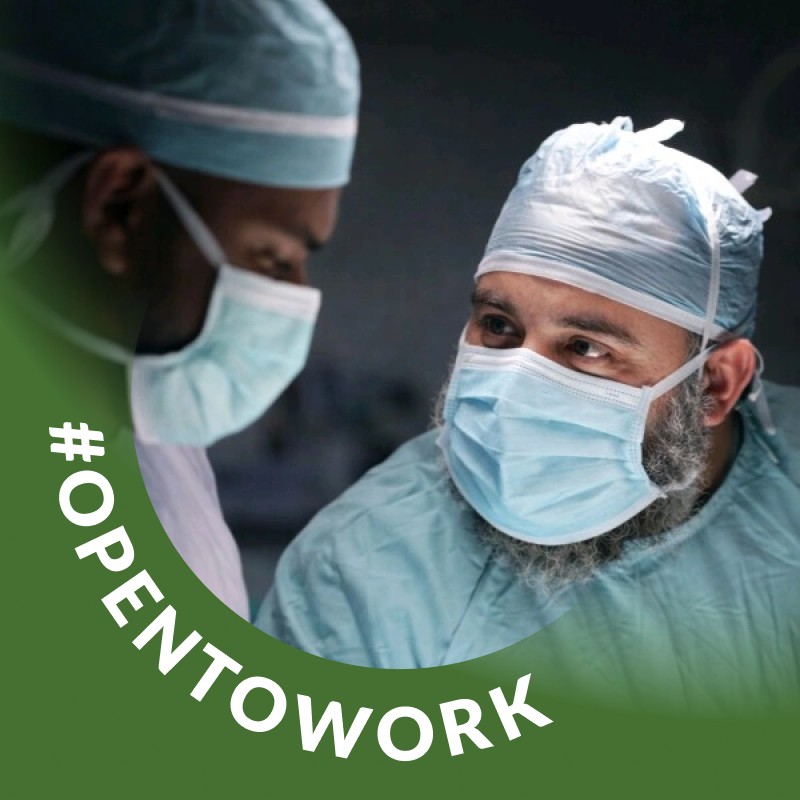
Your questions about surgery, answered
Twenty-four questions patients ask most about getting ready for surgery, medicines, recovery, older age and children, answered in Dr. Elalfy's own words.
24 questions
Getting back to normal
Can I drive the day after my operation?
Only if you meet the readiness criteria: a pain-free emergency stop, full mirror checks, no sedating medicines, and feeling confident. For many operations this takes longer than a day.
Read the full guideI have a long-haul flight booked. Is it safe?
It depends on your operation and how soon after surgery the flight is. Tell your surgical team your travel dates as early as possible so they can advise, and so you can rearrange the booking if needed.
Read the full guideMy job involves heavy lifting. When can I go back?
Tell the team exactly what your job involves. A phased return with lighter duties at first can often be arranged, rather than an all-or-nothing date.
Read the full guideCan I go to the gym two weeks after my operation?
Light exercise is often fine by then, but heavy lifting and contact sport usually need longer. Let comfort and your operation guide lead you.
Read the full guideDiabetes
Why do I need to stop my tablet days before the operation?
Some tablets, called SGLT2 inhibitors, can cause a dangerous acid build-up in the blood when you are fasting or unwell, even if your sugar looks normal. Stopping them before surgery prevents this.
Read the full guideShould I take my insulin on the morning of surgery?
Usually you take a reduced dose of your long-acting insulin, but not your mealtime insulin. Follow your written plan exactly.
Read the full guideWill diabetes slow my healing?
It can. Keeping your sugar in the target range, stopping smoking, and eating enough protein help your wound heal.
Read the full guideBlood thinners
Can I keep taking my blood thinner for this small procedure?
For many small procedures, such as skin surgery or dental work, yes. The team will tell you.
Read the full guideDo I need injections while my tablet is stopped?
Most people do not. Injections are only for people at very high risk of clots, such as those with certain heart valves.
Read the full guideWhen do I restart my blood thinner?
On the date written in your plan, usually 1 to 3 days after the operation for tablets, depending on the bleeding risk.
Read the full guideHeart, lungs and smoking
Do I need heart tests before my operation?
Only if they would change what we do. If you can climb two flights of stairs without stopping, you often need no extra tests.
Read the full guideI had a stent recently. Can I have my operation?
For a planned operation, it is usually safer to wait, ideally 6 months after a stent for stable disease or 12 months after a heart attack. We will decide with your cardiologist.
Read the full guideI only smoke shisha. Does that count?
Yes. Shisha and vaping also affect your lungs, heart, and healing. Stopping before surgery helps.
Read the full guideSteroids
Why do I need extra steroid for the operation?
Because you have taken steroids for some time, your body may not make enough of its own steroid under the stress of surgery. Extra steroid keeps your blood pressure safe.
Read the full guideShould I take my steroid on the morning of surgery?
Yes. Never miss it. The team will give you extra on the day.
Read the full guideWeight-loss injections
Do I need to stop my weight-loss injection before surgery?
Usually not. Most current guidance advises continuing it, with a liquid diet the day before for some people. Follow the plan we give you.
Read the full guideWhen can I restart it after the operation?
When you are eating and drinking normally. If you missed several doses, your doctor may restart a lower dose.
Read the full guideBiologic medicines
Should I stop my biologic injection before surgery?
Possibly, but it depends on the exact medicine and your operation. It is planned with your specialist — please do not stop it yourself.
Read the full guideOlder adults
Is my relative too old for this operation?
Age alone does not decide this. We look at fitness, independence, and other health problems, and we will be honest about the risks and benefits for this specific person.
Read the full guideWhy did my mother become confused after the operation?
This is called delirium. It is common after surgery in older adults, is usually temporary, and the team is treating the cause and supporting her through it.
Read the full guideWill the confusion be permanent?
Usually not. Most people recover fully over days to weeks, though recovery can take longer in people who already had memory problems.
Read the full guideChildren
Can I stay with my child until they are asleep?
In most units, yes, where it is safe to do so. Ask your anesthesia team about their policy.
Read the full guideWhy are fasting times shorter than the old 'nothing from midnight' advice?
Modern guidance allows most children clear fluids until 1 hour before anesthesia, which is kinder and safer than fasting overnight.
Read the full guideMy child is very frightened. What can we do?
This is common and manageable. Bring a comfort toy, use simple honest words, and ask the team about preparation materials. The team will support both of you.
Read the full guideThis page gives general information and does not replace the advice of your treating team. Your own team's instructions always come first.