

Abdominal
Weight Regain After Sleeve: Revision Options
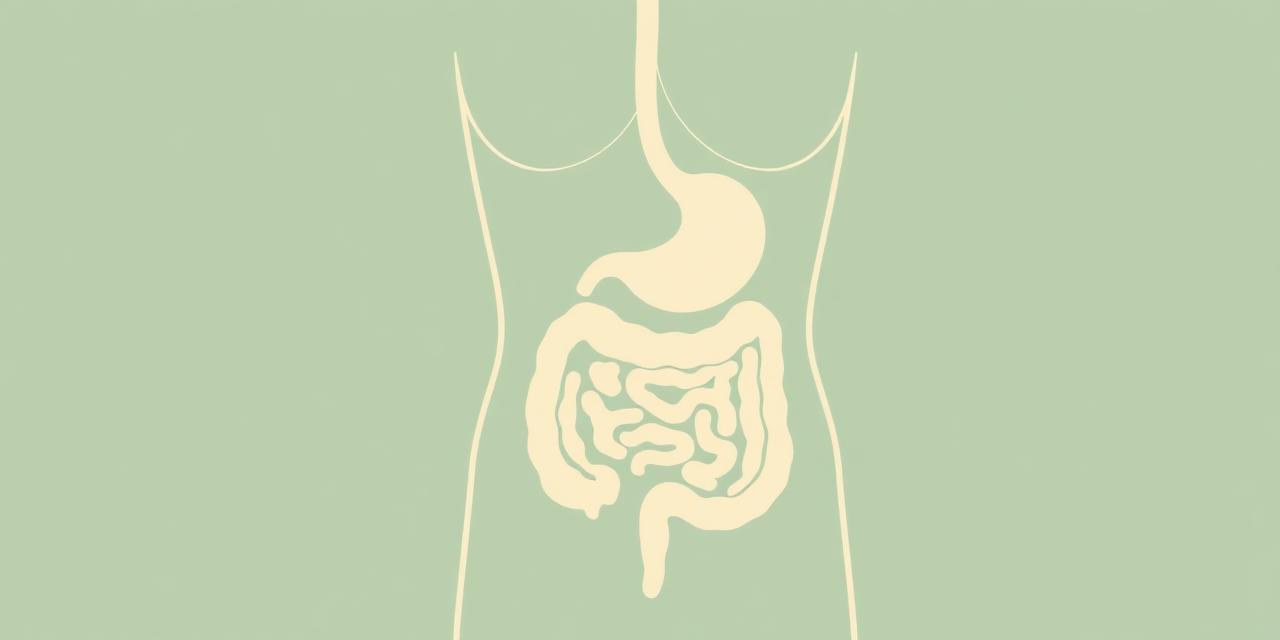
Weight regain after sleeve surgery: you are not alone, and it is not simply “failure”
Losing a large amount of weight after a sleeve gastrectomy and then regaining some of it is common — and it is one of the most distressing experiences patients describe, often with a sense of shame that is not deserved.
Weight regulation is biology, not just willpower. Bodies adapt to weight loss by increasing hunger hormones and reducing energy expenditure, and a stomach that was made smaller can, over years, stretch or never have been the only problem.
Regain is a medical issue to be assessed calmly — exactly like any other — and there are structured steps that genuinely help.
Why does weight come back after a sleeve?
Usually it is a combination, not a single cause:
- The sleeve has stretched or was left wider at the top (a retained fundus), so portions grow again
- “Grazing” — small amounts eaten very often through the day, which bypass the sleeve's restriction
- Calories that slide through easily: soft foods, sweets, juices, milkshakes and other liquid calories
- Return of hunger as the hormonal effect of surgery fades over the years
- Less physical activity, injury, or a change in work or life circumstances
- Medicines that promote weight gain (some steroids, some diabetes and mood medicines)
- Emotional eating, stress, poor sleep or untreated low mood
- New reflux after the sleeve, treated by constant small snacking to keep the acid down
The first steps: assessment before any talk of another operation
A revision operation is never the first answer. The proper sequence is:
- An honest review with your bariatric team — what you eat, when, and why; a food diary for a few weeks is often revealing
- A dietitian review: protein intake, meal structure, liquid calories and vitamin supplements
- Blood tests: vitamins, iron, and other levels that drift after bariatric surgery
- An endoscopy and/or a contrast X-ray study or CT scan to look at the sleeve's shape and size, and to check for reflux or a hernia
- Psychological support where eating is linked to mood or stress — this is treatment, not an afterthought
Sometimes this review finds a fixable non-surgical problem, and sometimes it confirms that the anatomy itself has changed and is driving the regain. The next steps differ, which is why the assessment comes first.
Medicines: GLP-1 treatment as an added tool
Modern weight-loss medicines — the GLP-1 injections described in our guide to Weight-Loss Injections (GLP-1) and Surgery — are now a standard part of managing weight regain after bariatric surgery.
For many patients they reduce appetite enough to restore control without another operation, and they are often tried before revision surgery is considered.
They are not suitable for everyone, they need supervision, and weight tends to return if they are stopped — your team will discuss whether they fit your situation.
Revision surgery: the options
If assessment shows an anatomical problem — or regain continues despite structured medical management — a second (revision) operation may be discussed:
1. Conversion of the sleeve to a gastric bypass
- The most commonly performed revision. A small stomach pouch is created and joined to the small intestine, so food bypasses most of the sleeve
- Works by restriction, some malabsorption, and strong hormonal effects
- Often the best option when severe reflux after the sleeve is part of the problem, because bypass usually improves reflux
2. Re-sleeve (repeat sleeve)
- Re-trimming a sleeve that has clearly dilated, in selected cases only — for example where imaging shows an obvious retained or widened segment
- Not suitable for most patients, and the regain risk after a second sleeve is higher than after the first
Other revisional procedures exist in specialist practice; if your anatomy or history points towards one of them, your surgeon will explain and may involve a multidisciplinary bariatric team.
An honest word about revision surgery
- Revision surgery is more complex and carries higher risk than the first operation — tissues have scarred, and blood supply and staple lines need particular care
- It is selective: offered when a clear problem has been identified, not simply because some weight returned
- Expected weight loss after revision is usually more modest than after the first operation; the goal is to regain control and protect your health, not to repeat the first result
- It works best combined with the dietetic, medical and psychological support described above — surgery alone, a second time, is rarely the whole answer
Possible complications of revision surgery

- Leak from a staple line or join — the most serious early risk, and more likely than in first-time surgery
- Bleeding, infection and blood clots, as with any major abdominal operation
- Narrowing (stricture) of a new join, sometimes needing an endoscopic stretch
- Long-term: vitamin and mineral deficiencies needing lifelong supplements and monitoring, especially after bypass
- Dumping syndrome after bypass — nausea, sweating and diarrhoea after sugary foods
Recovery after revision surgery
- Hospital stay is usually a little longer than after a first operation — often 2–3 nights
- The staged diet restarts from the beginning: liquids, then puréed, then soft food, over several weeks
- Follow-up is closer and longer than after the first operation, with regular blood tests
- Return to desk work is commonly around 2 weeks; full activity by about 6 weeks, as advised
Common questions
I have regained some weight. Does that mean my sleeve has failed?
No. Some regain — a portion of what was lost — is the common pattern after every bariatric operation. What matters is the amount, the trend, and whether your health conditions are returning. Early review, while the regain is still modest, gives the most options.
Should I try injections before considering another operation?
For most patients, yes. Medicines are now usually tried — alongside dietetic work — before revision surgery, and they are enough for many people. Your assessment will show whether an anatomical problem makes surgery the more sensible route.
Will a bypass definitely fix my reflux and my weight?
Bypass usually improves post-sleeve reflux and is the most reliable revision for weight, but “definitely” is a word no honest surgeon uses about a second operation. Benefits and risks are weighed for your individual anatomy and history.
Go to the emergency room immediately, then call your surgeon
- After any revision operation: fever above 38°C, a racing pulse, or worsening abdominal pain in the first days
- Repeated vomiting or inability to keep fluids down
- Vomiting blood, black stools, or severe abdominal pain at any stage
- Chest pain or breathlessness
A final word
If your weight is returning after a sleeve, please do not stay away from clinic out of embarrassment — this is one of the commonest reasons patients come back, and the team has seen it many times.
The earlier the review, the more can be done: adjust the plan, add medicines, and only if the anatomy truly demands it, discuss another operation with clear eyes.
You did the hard work once. The task now is to protect as much of it as possible, together.
Full guide written by Dr. Tamer Elalfy