


Abdominal
Gallbladder Polyps
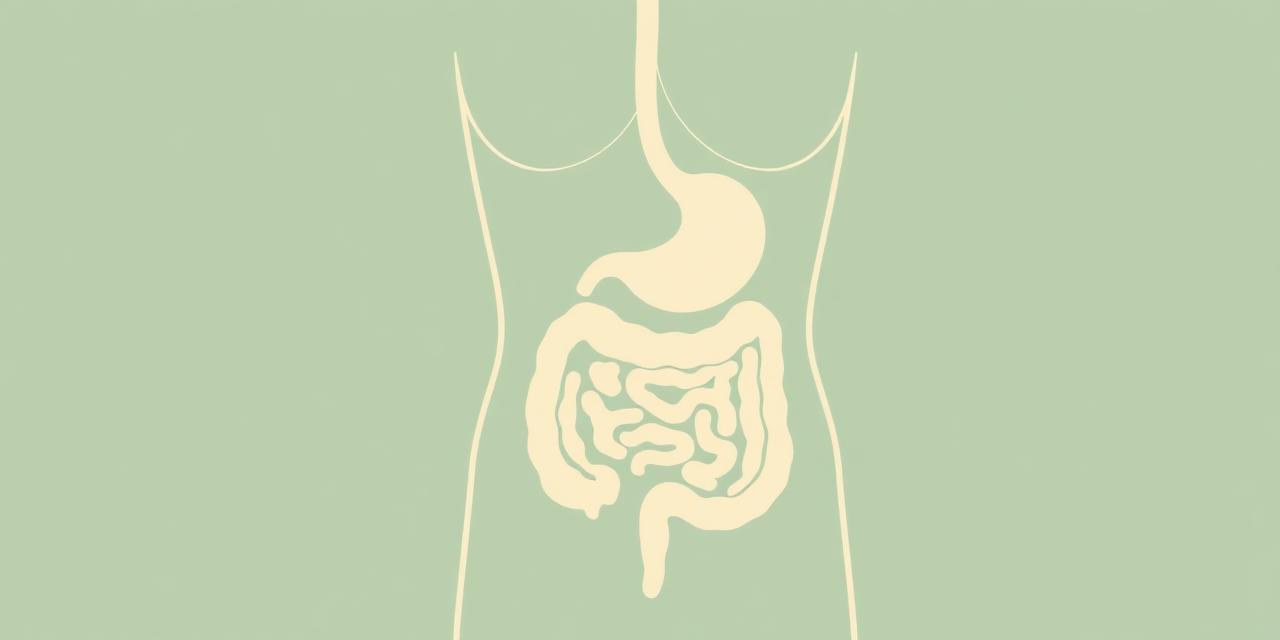
What is a gallbladder polyp?
A gallbladder polyp is a small growth that projects from the inner wall of the gallbladder into its hollow centre.
Polyps are usually found by chance, on an ultrasound scan done for tummy pain or for a completely different reason.
Most “polyps” seen on scans are not true growths at all.
There are three main kinds:
- Cholesterol polyps — the most common. Tiny deposits of cholesterol in the gallbladder wall. They are not tumours, cannot turn into cancer, and are harmless
- Inflammatory polyps — small areas of long-standing irritation in the wall
- True growths (adenomas) — uncommon. These are the ones we watch carefully, because a true growth can, rarely and slowly, change over years
Do gallbladder polyps cause symptoms?
Usually not. The great majority of polyps are silent.
When a person with polyps has upper tummy pain, the pain is far more often explained by gallstones — which frequently exist alongside polyps — than by the polyp itself.
This matters, because it changes the treatment: the plan for a polyp depends on its size and type, while pain from stones is treated on its own merits.
Why do we take polyps seriously if most are harmless?
Gallbladder cancer is rare, but it is serious, and a small number of cancers begin in a true polyp.
Size is the simplest warning signal: the bigger a polyp, the more likely it is to be a true growth rather than a harmless cholesterol deposit.
The whole management plan — watching versus removing — is built around the size of the polyp and a short list of personal risk factors. These thresholds come from the joint European guideline on gallbladder polyps, used internationally.
How are polyps assessed?
- Ultrasound scan: the main test. It measures the polyp in millimetres and notes whether it is single or multiple, whether it hangs on a stalk (pedunculated) or sits flat and broad-based (sessile), whether the gallbladder wall next to it is thickened, and whether stones are present
- A repeat or specialist ultrasound, if the first pictures are unclear
- An MRI scan, occasionally, when the pictures remain uncertain
- Blood tests, if there are symptoms or other concerns
The size guide: what usually happens at each size
10 mm or larger
- Usual plan
- Removing the gallbladder is usually advised
6–9 mm, with risk factors (below)
- Usual plan
- Removing the gallbladder is usually considered
6–9 mm, without risk factors
- Usual plan
- Ultrasound surveillance
Under 6 mm
- Usual plan
- Ultrasound surveillance; if there are no risk factors and the polyp is stable, checks can be spaced out or stopped
These are guidelines, not rigid rules. Your surgeon weighs the size together with your age, your other health conditions, whether stones are present, and your own preference.
Risk factors that lower the threshold for surgery
Surgery is considered sooner, at a smaller size, if any of the following apply:
- Age over 60
- Primary sclerosing cholangitis (a liver condition that itself raises gallbladder risk)
- A sessile polyp — flat and broad-based rather than on a stalk
- Gallstones present at the same time
- Growth of 2 mm or more during follow-up scans
- Thickening of the gallbladder wall right next to the polyp
What does ultrasound surveillance mean?
Surveillance is an active plan with dates attached — not “go away and forget it.”
- A repeat ultrasound at about 6 months, then at about 1 year and 2 years, in most plans
- If the polyp is unchanged and you have no risk factors, you can usually be discharged from follow-up
- If the polyp grows — by 2 mm or more, or reaches 10 mm — the conversation changes to surgery
- Surveillance only works if the appointments are kept; put them in your calendar the day they are agreed
If surgery is advised
The operation is laparoscopic cholecystectomy — keyhole removal of the whole gallbladder, exactly the operation used for gallstones.
Our guide to Laparoscopic Cholecystectomy describes the preparation, the operation itself and the recovery step by step.
- General anaesthesia, through small incisions, usually a day case or one night in hospital
- The gallbladder is always sent to the laboratory for examination — this gives the final confirmation of what the polyp was
- Removing the gallbladder removes the polyp and the small long-term risk with it; you do not need a gallbladder to digest food normally
Common questions
Is my polyp a cancer?
Almost certainly not. Most polyps are cholesterol deposits that can never become cancer. The size-based plan exists to catch the rare true growth early, while it is still curable by simply removing the gallbladder.
Can diet or medicines make a polyp shrink or disappear?
No proven diet or medicine removes gallbladder polyps. Cholesterol polyps sometimes vary a little between scans, but they need no treatment. Bile-acid medicines used for some gallstones do not treat polyps.
What if I do nothing at all?
For a small polyp, “doing nothing” without appointments is different from surveillance. Surveillance is the safe version of waiting: the polyp is measured on a schedule, and surgery is offered the moment it crosses a threshold. Skipping follow-up loses that safety net.
I also have gallstones. Does that change things?
It can. Stones raise the priority for surgery at smaller polyp sizes, and if the stones themselves are causing attacks of pain, gallbladder removal is usually advised for the stones alone.
Go to the emergency room immediately, then call your surgeon

- Severe or persistent pain in the upper right abdomen, especially with fever
- Yellowing of the skin or the whites of the eyes (jaundice)
- Repeated vomiting, or being unable to keep fluids down
- Fever above 38°C with shivering
These symptoms are usually caused by gallstones rather than a polyp, but they need same-day medical help either way.
A final word
Being told you have a “growth” in your gallbladder sounds alarming — but in practice, a gallbladder polyp is usually an innocent scan finding with a clear, measured plan.
Small ones are watched on a schedule; larger ones are dealt with by a routine keyhole operation.
Either way, you leave with a plan and dates, not with uncertainty.
Full guide written by Dr. Tamer Elalfy