


Abdominal
Reflux (GERD) and Hiatus Hernia
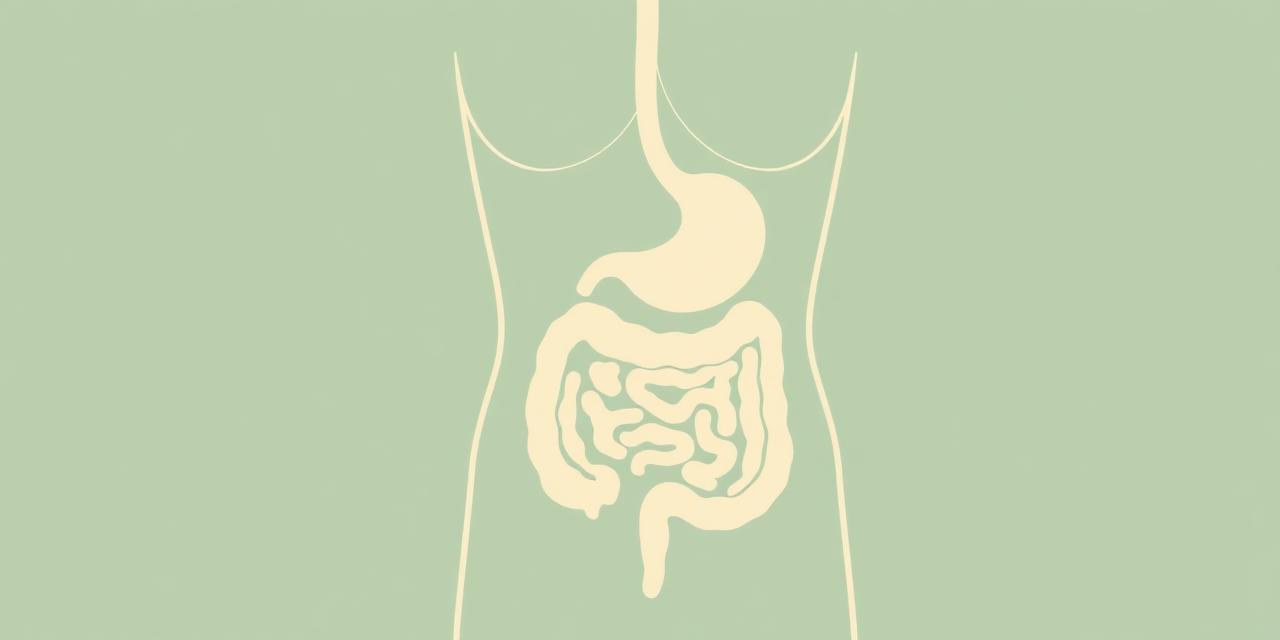
What are reflux and a hiatus hernia?
At the top of your stomach there is a valve (the lower oesophageal sphincter) that lets food in and should then close to keep stomach acid where it belongs.
Reflux — often called GERD, gastro-oesophageal reflux disease — happens when acid escapes upwards into the food pipe (oesophagus), causing heartburn and, over time, inflammation.
A hiatus hernia is when the top of the stomach slides up through the opening in the diaphragm (the hiatus) into the chest. It weakens the valve and makes reflux much more likely.
The two often travel together, but not always: you can have reflux with no hernia, and a hiatus hernia with no symptoms at all.
What symptoms does reflux cause?
- Heartburn — a burning feeling rising from the upper tummy into the chest, often after meals or when lying down
- Regurgitation — sour fluid or food coming back up into the throat
- Chest discomfort that can be mistaken for heart pain (chest pain should always be checked as a possible heart problem first)
- Difficulty swallowing or a feeling of food sticking
- Symptoms that disturb sleep — waking with coughing, choking or a sour taste
Some reflux is “silent”: it irritates the throat and airways without much heartburn. Clues include:
- A hoarse voice, especially in the morning
- Constant throat clearing or a feeling of mucus in the throat
- A chronic cough that has no other explanation
- Wearing of the teeth noted by your dentist
Alarm features: do not just treat these as “reflux”
The following symptoms need prompt investigation, usually with a camera test (endoscopy), rather than simply more reflux medicine:
- Difficulty swallowing, or food sticking
- Pain when swallowing
- Losing weight without trying
- Anaemia (low blood count) or iron deficiency with no other explanation
- Vomiting blood, or vomit that looks like coffee grounds
- Black, tarry stools
- Persistent vomiting
- New reflux symptoms starting after the age of about 55
How is reflux assessed?
- Your history: the pattern of symptoms often makes the diagnosis likely
- A trial of acid-suppressing medicine (a PPI — see below) is sometimes the first step
- Endoscopy (gastroscopy): a camera test that inspects the food pipe, the valve and the stomach, checks for inflammation, Barrett's oesophagus (a change in the lining caused by years of reflux, which needs surveillance), strictures and hernias
- Before any anti-reflux operation, extra tests are standard: a 24-hour acid study (pH or pH-impedance monitoring) to prove the reflux, and a pressure study (manometry) to check the food pipe squeezes properly — surgery is never offered on symptoms alone
- A barium swallow X-ray sometimes helps map a large hernia
Treatment without surgery
Most reflux is controlled without an operation. The foundations are:
- Weight loss if you are overweight — the single most effective lifestyle step
- Smaller evening meals, and nothing to eat in the last 3 hours before bed
- Raising the head of the bed if night symptoms are a problem
- Reducing your personal triggers — commonly fatty and spicy food, coffee, fizzy drinks, citrus, chocolate and peppermint
- Stopping smoking and reducing alcohol
Medicines: PPIs (such as omeprazole or esomeprazole) reduce acid production and heal inflammation. They control symptoms well for most people, but they do not fix a hernia or a weak valve — the reflux itself continues, with less acid in it — and they usually have to be taken indefinitely. Alginate liquids after meals and at bedtime help some people by forming a raft on top of the stomach contents.
When is surgery offered?
Anti-reflux surgery is considered when:
- Reflux is proven on testing, and you would rather have an operation than take acid medicine for life
- Regurgitation — fluid coming up — is your main problem (medicines reduce acid but do not stop fluid rising)
- You have a large hiatus hernia, especially with regurgitation, vomiting, anaemia or episodes of the stomach twisting
- Reflux has caused complications such as a narrowing (stricture) of the food pipe
- Medicines control the acid but not the symptoms, or do not suit you
One type of hernia deserves special mention: a para-oesophageal hernia, where a large part of the stomach sits up in the chest beside the food pipe. In a patient fit for surgery, repair is usually advised even when symptoms are mild, because the stomach can twist or become trapped (a volvulus) — and that is an emergency. A hiatus hernia where the valve simply slides up and down (the common sliding type) is far less urgent.
The operation: laparoscopic fundoplication and hiatus repair
The operation is done by keyhole surgery (laparoscopy) under general anaesthesia, and has two parts:
- The hernia repair: the stomach is brought back down into the abdomen, and the opening in the diaphragm is tightened with stitches to fit snugly around the food pipe
- The fundoplication: the top of the stomach is wrapped around the lower food pipe to rebuild the valve. The wrap can be complete (Nissen) or partial (such as Toupet); your surgeon chooses based on your pressure-study results and will explain why
- Duration: usually 1–2 hours
- Hospital stay: usually 1–2 nights
- Most patients stop or greatly reduce their reflux medicines after successful surgery
Recovery and eating after the operation
First days
- Liquids, then soft food — the rebuilt valve needs time to settle, and this stage is normal, not a complication
- Small, slow meals; chew well and stop when you feel full
- Mild shoulder-tip pain from the keyhole gas settles over a few days
Weeks to months
- Gradually return to a normal diet over about 4–6 weeks, as swallowing comfort allows
- Avoid heavy lifting and straining for about 4–6 weeks while the diaphragm repair heals
- Some bloating and difficulty burping or vomiting are common, especially early; they usually ease
- Desk work is often possible within 1–2 weeks; full activity by about 6 weeks
Possible complications

- Difficulty swallowing that persists and needs a stretch procedure (dilatation) — occasionally needed
- Gas-bloat symptoms: bloating, increased wind, inability to burp or vomit freely
- The wrap or repair loosening over years, with reflux returning — a minority of patients need a further procedure or return to medicines
- The hernia coming back (recurrence), sometimes without symptoms
- General risks of any keyhole operation: bleeding, infection, chest infection, blood clots
Common questions
Will I ever be able to eat normally again?
Yes — with patience. The first weeks are soft food and small portions while swelling settles; most people return to a normal diet, in moderate portions, within a couple of months.
Can the hernia come back?
It can, particularly large ones, which is why lifting restrictions in the first weeks matter. Many recurrences cause no symptoms and are simply kept under review.
Is Barrett's oesophagus a cancer?
No. Barrett's is a change in the lining of the food pipe after years of acid exposure. It carries a small increased risk of cancer over time, so it is kept under regular camera surveillance — and controlling the reflux matters.
Go to the emergency room immediately, then call your surgeon
- Vomiting blood or material like coffee grounds
- Black, tarry stools
- Severe chest or upper abdominal pain — always treat chest pain as a possible heart problem first
- Sudden severe pain with inability to swallow or repeated retching (a trapped hernia until proven otherwise)
- Being unable to swallow even fluids after your operation
A final word
Reflux is common, miserable, and very treatable.
For most people, weight, meal timing and acid medicine are enough. For the right patient — proven reflux, a hernia that needs repair, or a life organised around tablets — a keyhole operation rebuilds the valve and can be genuinely life-changing.
The tests before surgery exist to make sure you are that right patient.
Full guide written by Dr. Tamer Elalfy