


Reduce your risk of surgical problems
Food and daily habits can lower the risk of some conditions. Explore practical advice disease by disease.
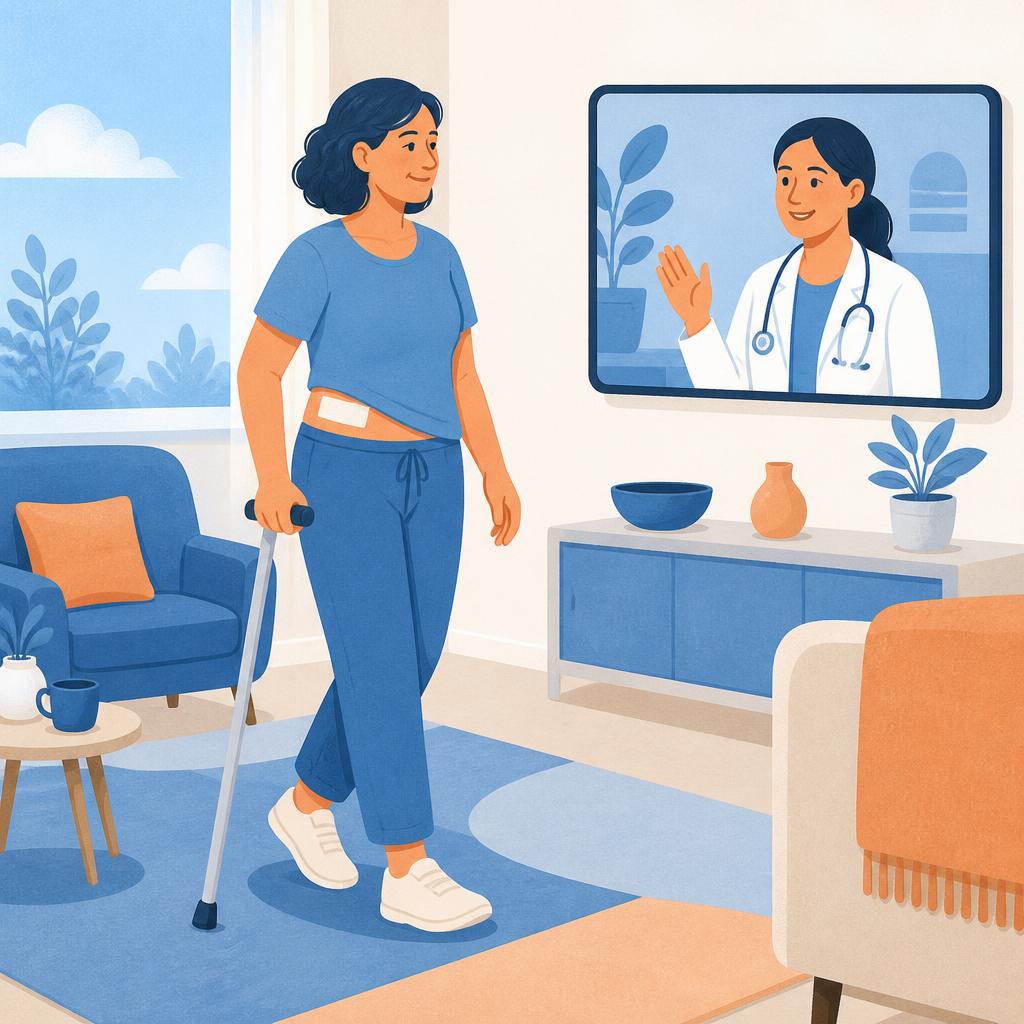
Risk reduction is not a guarantee. These are general tips, not a treatment plan. Follow your treating team's advice, especially during pregnancy, after surgery, or with heart, kidney or bowel disease. Do not stop prescribed medicines.
Gallstones
Diet and daily habits
Keep a healthy weight with gradual, sustainable changes rather than crash diets or rapid weight loss. Eat regular balanced meals with vegetables, fruit, whole grains and suitable portions of healthy fats; stay physically active.
What this cannot prevent
Diet cannot reliably dissolve existing stones or prevent every case. After weight-loss surgery, follow the team's plan; ask whether prescribed gallstone prevention is appropriate. Pain with fever or jaundice needs urgent assessment.
Groin and abdominal-wall hernias
Diet and daily habits
Avoid constipation with fibre and fluids as allowed by your team. Stop smoking, seek treatment for persistent cough, and work towards a healthy weight. Use safe lifting techniques and ask for help with heavy loads.
What this cannot prevent
Some hernias reflect congenital or tissue weakness and cannot be prevented by lifestyle. Exercise or a belt does not repair a hernia. Lifting limits after repair depend on your surgeon; a painful trapped lump with vomiting is an emergency.
Haemorrhoids and anal fissures
Diet and daily habits
Aim for soft, formed stools: increase fibre gradually, drink appropriate fluids and stay active. Do not strain, ignore the urge to pass stool, or sit on the toilet for long periods. Ask for help if constipation or diarrhoea persists.
What this cannot prevent
These habits may reduce symptoms or recurrence, not every case. Do not assume rectal bleeding is piles; new or persistent bleeding needs assessment. Heavy bleeding, dizziness or severe pain needs urgent care.
Diverticular disease
Diet and daily habits
Outside an acute attack, gradually include whole grains, fruit, vegetables and other fibre-rich foods as tolerated. Stay active, avoid smoking and maintain a healthy weight. Nuts and seeds do not routinely need to be excluded.
What this cannot prevent
An acute attack needs medical assessment and may require temporary diet changes. Do not increase fibre during a suspected blockage or severe flare without advice. Healthy habits cannot guarantee prevention of diverticulitis.
Colorectal cancer
Diet and daily habits
Eat more whole grains, vegetables and fruit; limit processed meat and excess red meat. Stay active, keep a healthy weight, avoid smoking and limit or avoid alcohol. Ask about screening based on your age, family history and local recommendations.
What this cannot prevent
Screening and healthy habits reduce risk but do not eliminate it. Family history may require earlier testing. Blood in stool, persistent bowel changes, iron-deficiency anaemia or unexplained weight loss need assessment, even after a normal screening test.
Obesity and related surgical risk
Diet and daily habits
Choose sustainable balanced meals, suitable portions, fewer sugary drinks, regular activity within your ability and adequate sleep. Seek support from your clinician or dietitian rather than using extreme diets or unregulated weight-loss products.
What this cannot prevent
Obesity has biological and social causes; it is not a failure of willpower. Some people need medicine or surgery. After bariatric surgery, follow the specific nutrition and supplement plan, not a generic diet.
Pilonidal disease
Diet and daily habits
Keep the cleft between the buttocks clean and gently dry; reduce prolonged pressure with regular movement. If disease is recurrent or after surgery, ask your clinician whether professional hair removal is useful.
What this cannot prevent
These steps do not guarantee prevention or cure an abscess. Do not shave inflamed skin or squeeze a painful swelling. A tender lump, pus or fever needs assessment; an abscess may require drainage.
Hidradenitis suppurativa
Diet and daily habits
If you smoke, seek help to quit. If appropriate, supported weight management may help. Wear comfortable clothing, reduce friction and use gentle skin care; keep follow-up with your dermatologist.
What this cannot prevent
This is an inflammatory disease, not poor hygiene, and it is not contagious. No specific diet is proven to cure it; avoid restrictive diets without guidance. Lifestyle measures do not replace prescribed treatment.
Ingrown toenails and skin infections
Diet and daily habits
Cut toenails straight across, not too short; wear well-fitting shoes and keep feet clean and dry. Wash hands, clean small cuts and cover them with a clean dressing. Do not share razors or squeeze boils.
What this cannot prevent
These habits reduce some risks, not all infections. Do not dig into an ingrown nail or drain an abscess yourself. Diabetes, poor circulation, spreading redness or fever warrants prompt medical care.
Appendicitis and other conditions without reliable lifestyle prevention
Diet and daily habits
Eat a balanced diet and stay active for overall health, but no food, supplement or exercise is proven to prevent appendicitis. Seek timely assessment of new symptoms instead of using a cleanse or home remedy.
What this cannot prevent
Breast lumps, thyroid nodules and many other surgical conditions also cannot reliably be prevented by diet. New lumps or persistent changes need assessment. Worsening abdominal pain, especially with vomiting or fever, needs urgent medical care.